
Share Frank J. Collins's obituary with others.
Invite friends and family to read the obituary and add memories.
Stay updated
We'll notify you when service details or new memories are added.
You're now following this obituary
We'll email you when there are updates.
Select your format and elements to print

IN LOVING MEMORY OF Frank J. Collins
Frank J.
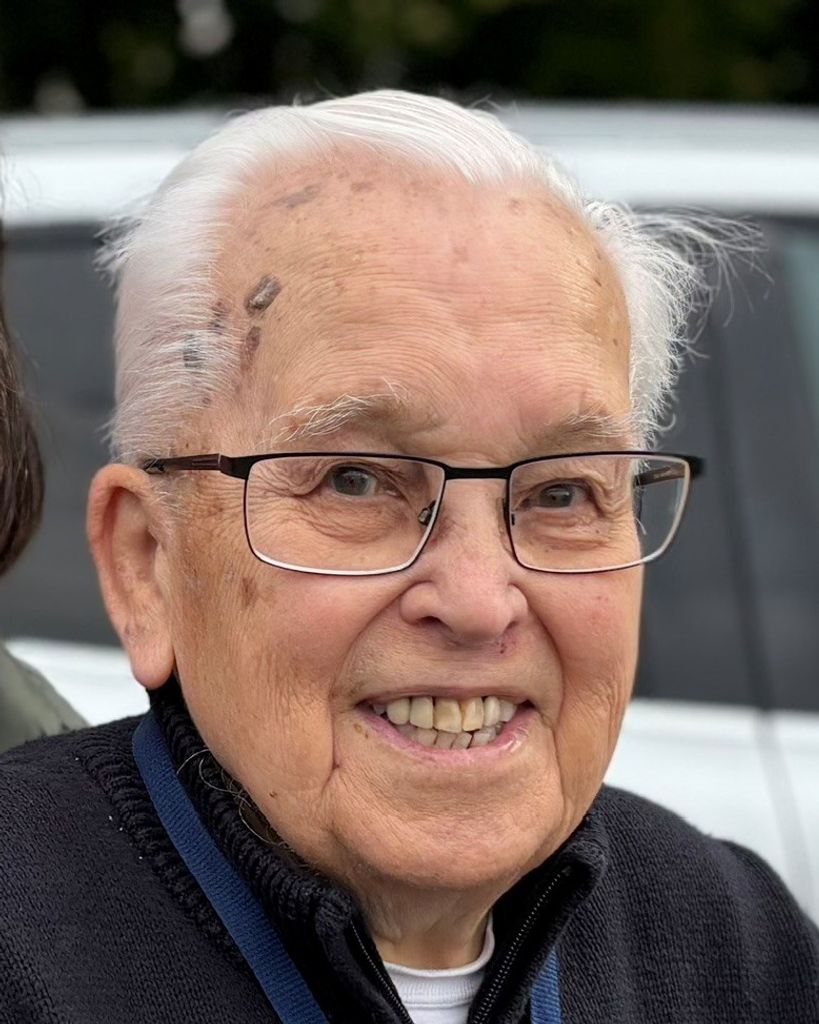
Collins
Mar 27, 1931 — Jun 16, 2026
Westmoreland, NH
Frank J. Collins' Obituary
An irrepressible force of nature for 95 years, Frank Collins was a little cockney with a big heart and the gift of blarney who made his way in the wide world on optimism and hustle and charm. His life took him from the streets of war-torn London through the golden age of transatlantic ocean travel to the American dream of owning his own business.
Frank James Collins was born on March 27, 1931, in North London, nine minutes after his twin sister, Frieda. (“A gentleman since birth!” he told people.) His father, also Frank Collins, was a brick and stone mason who helped lay the ornate marble floor in the downtown branch of the Bank of England. His mother, Grace Emily Champ, had 13 children from two marriages and aspirations of being in theatre.
He often said he was “the best little thief in London” — but was caught stealing shillings from gas meters at age 8 and sent to the Essex Home School for boys in Chelmsford, where he spent four years, attempted to escape three times, and got the highest grades in his class. The lads there were called by their numbers. When he was released, one of his teachers said, “Number 95, you’re going to be prime minister one day, or end up in jail.”
He made his own luck. At 14, looking for a chance, he hooked on with the Queen Mary as a cabin boy, where he had the first warm shower of his life. The war had just ended; the ship was transporting troops back to the U.S. and Canada. Frank fell in immediately with the Yanks, who struck him as friendly, kind — and classless.
On his first voyage on the Queen Elizabeth, he was caught fighting with a cabin mate — and instead of getting sacked, he was put on the ship’s boxing team, where he made good tips and became a favorite of passengers who liked the little guy’s pluck.
One time between ships, he talked himself into a kosher waiter job at the Rubens Hotel in London. (“My mum was a Rubinstein.”) A few years later, he was in line with a hundred boys hoping for a position on the Mauritania. The ship’s superintendent came out and said he needed a kosher steward. Frank’s hand shot up. The superintendent recognized him and said, “Frankie, what makes you think you’re a kosher steward?” “I trained at the Rubens,” Frank said. “You can check my references.” He was the only boy taken from the crowd.
Over five years on the ships with Cunard and the New Zealand Shipping Company, he worked his way up to captain’s steward, was held at gunpoint in Kowloon, fell overboard from the 12th deck into the Hudson River, went AWOL in Jamaica, and smuggled nylons and booze back into post-war England, among many misadventures across the world’s major ports. By the time he was 18, he had salted away enough money to buy his parents a house.
He noticed that American passengers were the best tippers and the most wasteful. He decided to seek his fortune there. He became friendly with a family from New York named Bruno, who sponsored his legal entry. He arrived in America on New Year’s Eve, 1949.
The U.S. Army drafted him and stationed him in occupied Germany. An officer saw him mucking about with a soccer ball — and put him charge of coaching a soccer team and setting up matches around Germany, which became his duty for the rest of his enlistment.
He went to New England College on the GI Bill, where he failed math, aced business, and met and married Peggy Woodbury, a student at the Concord School of Nursing. They settled down in Peggy’s native state of New Hampshire. Three sons followed: Andrew (1960), James (1962), and David (1963). In 1970 they welcomed Katherine, the girl they had been hoping for.
Frank took a sales job with Will Ross, Inc., a national hospital supply company, joining his wife in side-by-side careers in the medical industry. His gregariousness and infectious enthusiasm helped make him the company’s top regional salesman for many years. He turned down several promotions to the company’s headquarters in Milwaukee because he didn’t want to uproot his family.
When the industry transitioned from glass and stainless steel to disposable plastic, he took his accounts’ discarded inventory and sold it to nursing homes, veterinary hospitals, and small clinics on a budget. Within two years he was making more money out of his garage than he made in his paycheck. He got himself fired from Will Ross and used the severance to launch a used-medical-equipment company based in Keene that over time grew into full-service home healthcare stores in four locations in New Hampshire and Vermont.
Throughout his life, he had never cared about money. (“It’s only paper.” “You can’t take it with you, mate.”) While working on the ships, he had sent money home to put his younger brother, Syd, through private school. He had paid for dozens of trips to the States for Frieda and other relatives. Now, he ran his business informally, by those same values, routinely selling items for cost or finding something used and giving it away to those in need who couldn’t pay. Again and again — and in spite of the results — he hired people who were down on the their luck, believing they would turn their lives around if given a chance, as he had.
He stayed a step ahead of his creditors and the IRS and in business until bankruptcy forced him to retire at age 85. He continued to wheel and deal medical equipment on the side for several more years after that, until dementia gradually took over.
He was a faithful husband and involved, fun-loving father who turned his children’s lives into daily adventures. He taught them the power of positive thinking and how to sing the alphabet backwards.
Feeling blind-sided by Peggy’s request for a divorce after 29 years of marriage, he attended a support group for recently singled adults and met an exuberant, outgoing widow named Dona Girvan. They would remain best friends and devoted partners for 37 years until the end of Frank’s life.
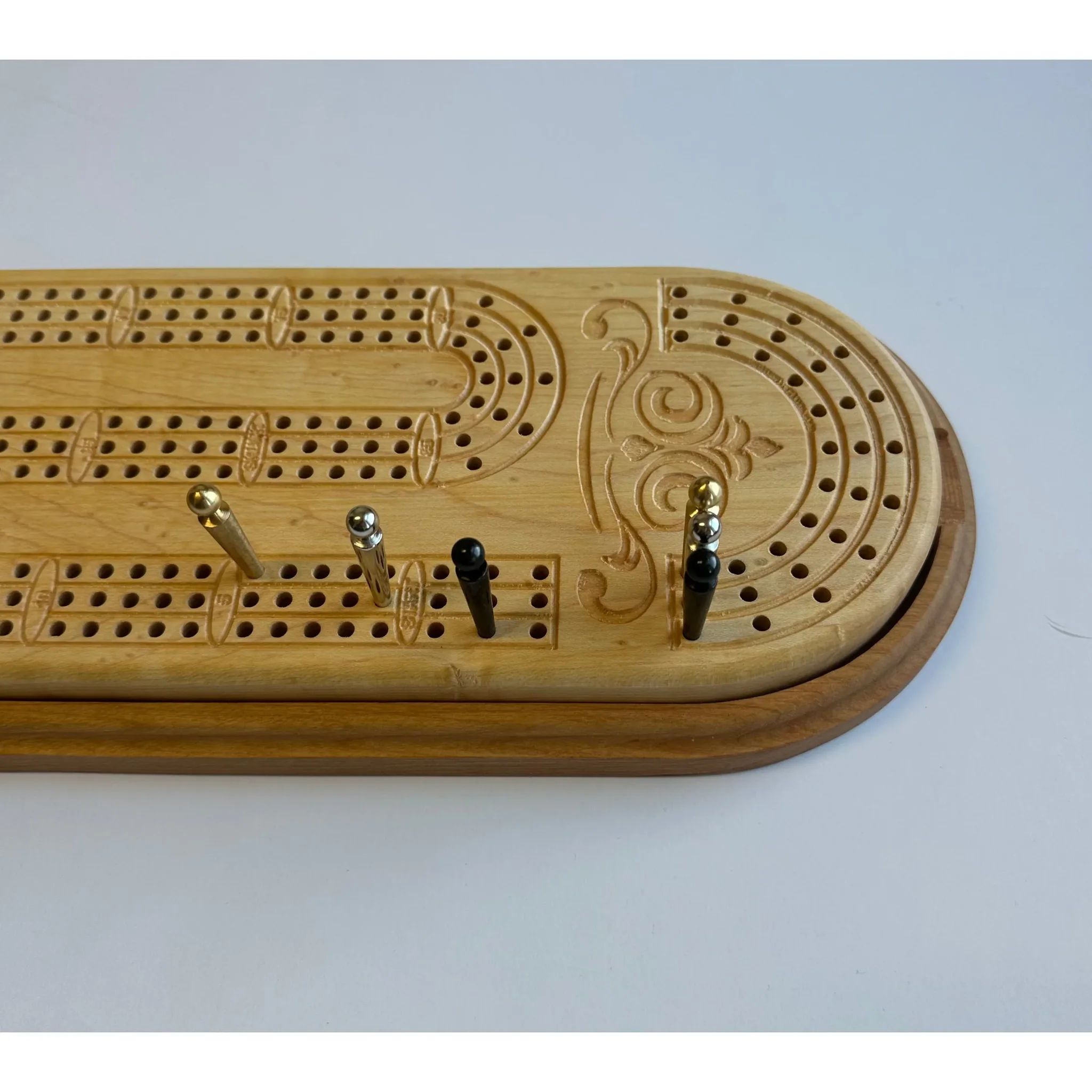
He was a resident of the Keene area for more than six decades, living in Walpole, Nelson, and Keene, where he was active in St. James Episcopal Church, the Lions and Rotary clubs, and the Masonic temple. He liked drinking tea and playing cribbage, yard sales and thrift stores, breakfast at Lindy’s and dinners at Pappagallo’s. But more than anything else he liked gathering his family around him, chatting with strangers, and telling stories.
He died peacefully in his sleep on June 16 at Maplewood Nursing Home in Westmoreland, New Hampshire, surrounded by love and three generations of family members.
He was predeceased by his former wife, Margaret (Woodbury) Collins; beloved twin sister Frieda Moody and older sister Norma Hayward; and younger brothers Jim Collins and Syd Collins, all in England; he is survived by his longtime companion Dona Girvan; children Andrew (Heather), James (Kristen Laine), David (Sandy Britton), and Katherine “Casey” Tucker (Troy); grandchildren Will (Pamela Birch) and Jay Collins (Amanda), Ursula (Christa Troester) and V (Ash Ware) Collins-Laine, and Emily and Warren Tucker; great-grandchildren Makayla, Brook, and Colt Collins; and numerous nephews, nieces, and extended family by blood and marriage and love on both sides of the Atlantic.
The family will be forever grateful for the outstanding nurses at Maplewood Nursing Home, who provided care with kindness. “We love Frank,” they said. “He’s the easiest patient in the world. He’s happy every day. “
A celebration of Frank’s life will be held at a later date. Assisting the family with arrangements is the Cremation Society of NH, Brattleboro. To view Frank's online tribute, or send flowers or condolences to the family, visit www.CSNH.com.
Frank J. Collins' Guestbook
Visits: 384
This site is protected by reCAPTCHA and the
Google Privacy Policy and Terms of Service apply.
Service map data © OpenStreetMap contributors